The Knowledge LedgerThe Knowledge LedgerFollow on WhatsApp

A curated stream of high-signal insights across Technology, Healthcare, Lifesciences, AI, Oncology, Business, Entrepreneurship, Leadership, Philosophy and beyond.

Thoughtful, cross-disciplinary content designed to expand how you think, not just what you know.

No noise. Only substance.

Jul 12, 2026ยทnature.com

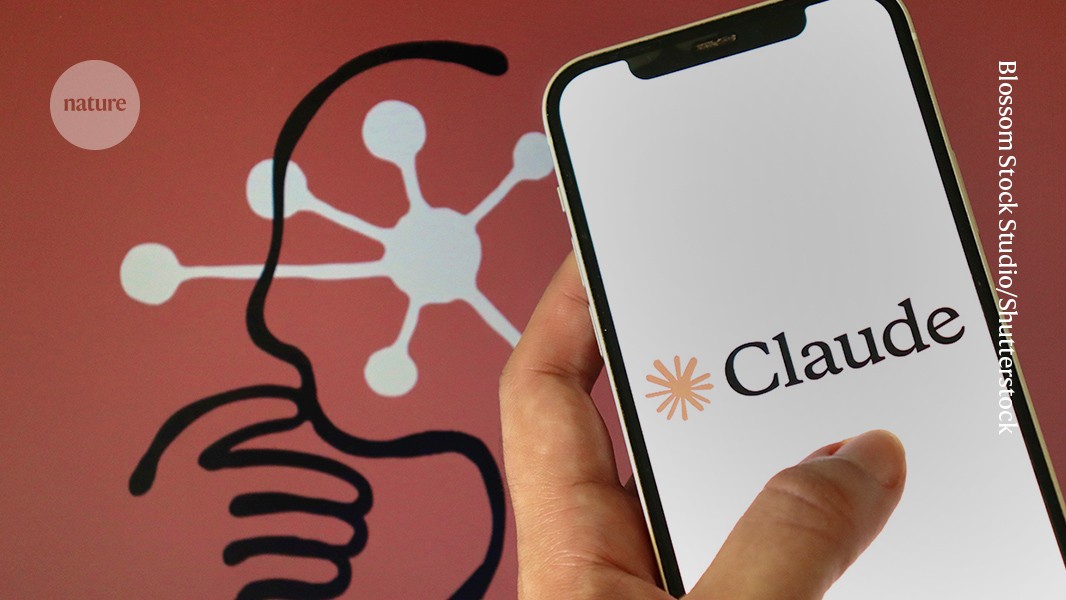
Which AI Scientist Suits Your Lab? A Practical Guide

A new generation of general-purpose "AI scientist" tools is emerging, capable of helping with literature reviews, data analysis, hypothesis generation, figure creation, and even manuscript drafting. These agentic systems go beyond narrow tools like AlphaFold by breaking down complex requests into steps and integrating external software.

Nature's Ewen Callaway offers a grounded guide for researchers navigating this rapidly evolving landscape. Key recommendations include:

Jul 11, 2026ยทresearch.google

SensorFM: A Foundation Model for Wearable Health Data

Wearable devices generate enormous amounts of multimodal sensor data (heart rate, motion, skin conductance, temperature, etc.), but most AI models for health are narrow, task-specific, and require large amounts of labeled data. This limits scalability and generalization in real-world settings where data is often fragmented or incomplete.

Google researchers introduce SensorFM, a large sensor foundation model pre-trained self-supervised on over one trillion minutes of wearable data from more than five million consented participants across diverse devices and geographies. It learns a general-purpose representation of human physiology using a missingness-aware framework (AIM) that treats real-world data gaps as meaningful signals rather than noise.

Jul 10, 2026ยทsciencedaily.com

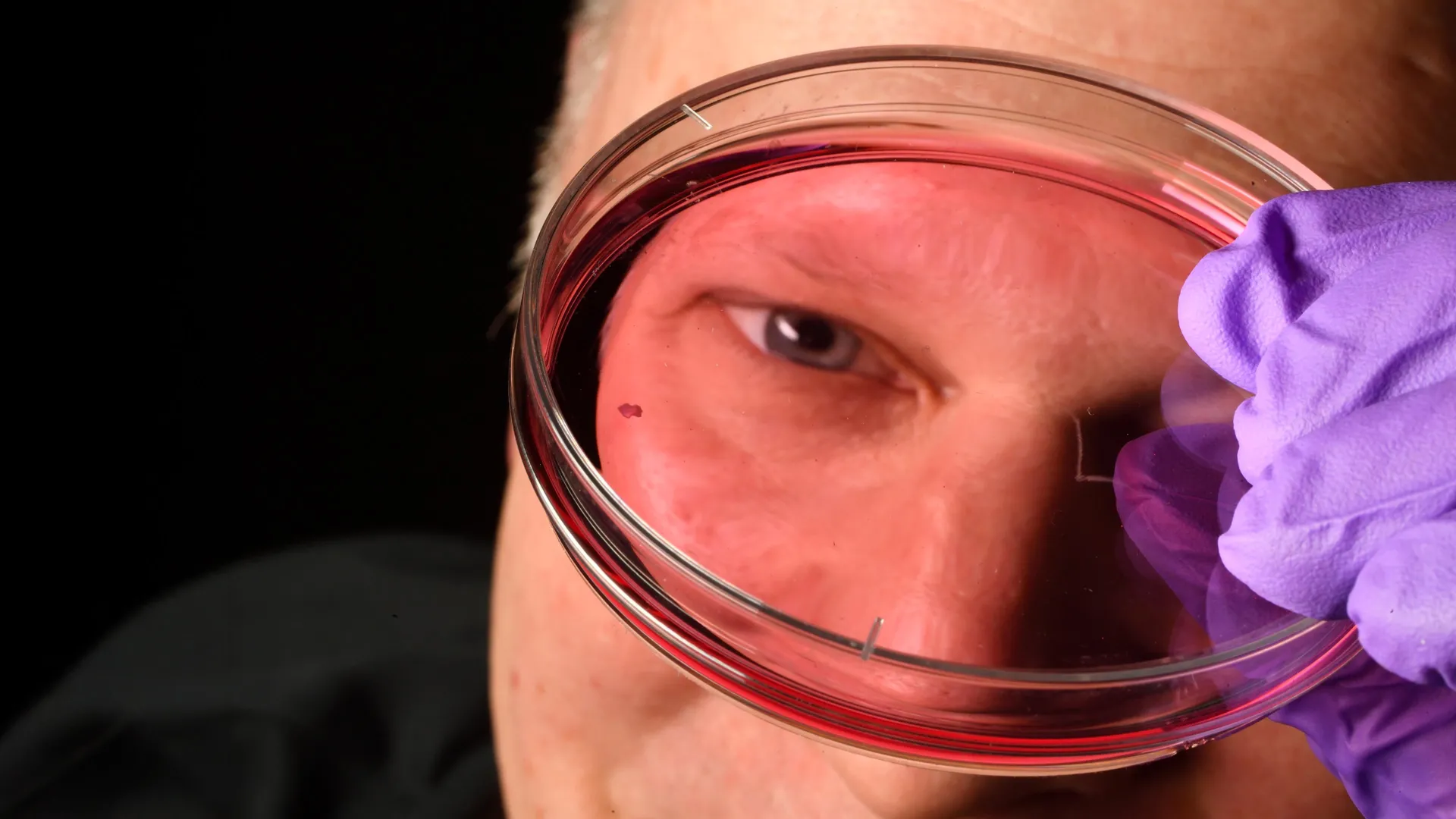
Vitamin A Discovery Rewrites How Sharp Vision Develops

For decades, scientists believed that the foveola โ€” the tiny central region of the retina responsible for sharp color vision โ€” achieves its specialized cone pattern because blue cones form and then migrate away. New research using lab-grown human retinal organoids shows this is not the case.

Instead, blue cone photoreceptors initially appear in the foveola during early fetal development but then transform into red and green cones through a precisely orchestrated process involving retinoic acid (a derivative of vitamin A) and thyroid hormones. Retinoic acid levels drop to halt new blue cone formation, while thyroid hormones drive the conversion of existing blue cones into red and green ones.

Jul 10, 2026ยทnature.com

Universal Cell Embedding: A Foundation Model for Cell Biology

Single-cell RNA sequencing has generated massive datasets across tissues, experiments, and species, but integrating and analyzing them remains challenging due to batch effects, species differences, and the need for extensive annotations.

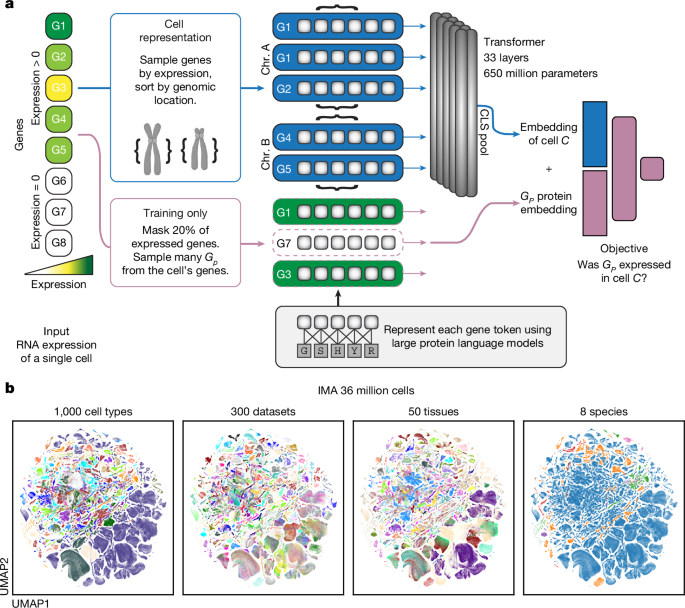
Researchers introduce UCE (Universal Cell Embedding), a foundation model trained self-supervised on 36 million cells. By representing cells as "bags of RNA" ordered by genomic location and leveraging protein language models (ESM2), UCE learns a unified latent space that captures biological variation while remaining robust to experimental noise.

Jul 10, 2026ยทgilharilabs.com

What If Evaluations Had Three Dimensions?

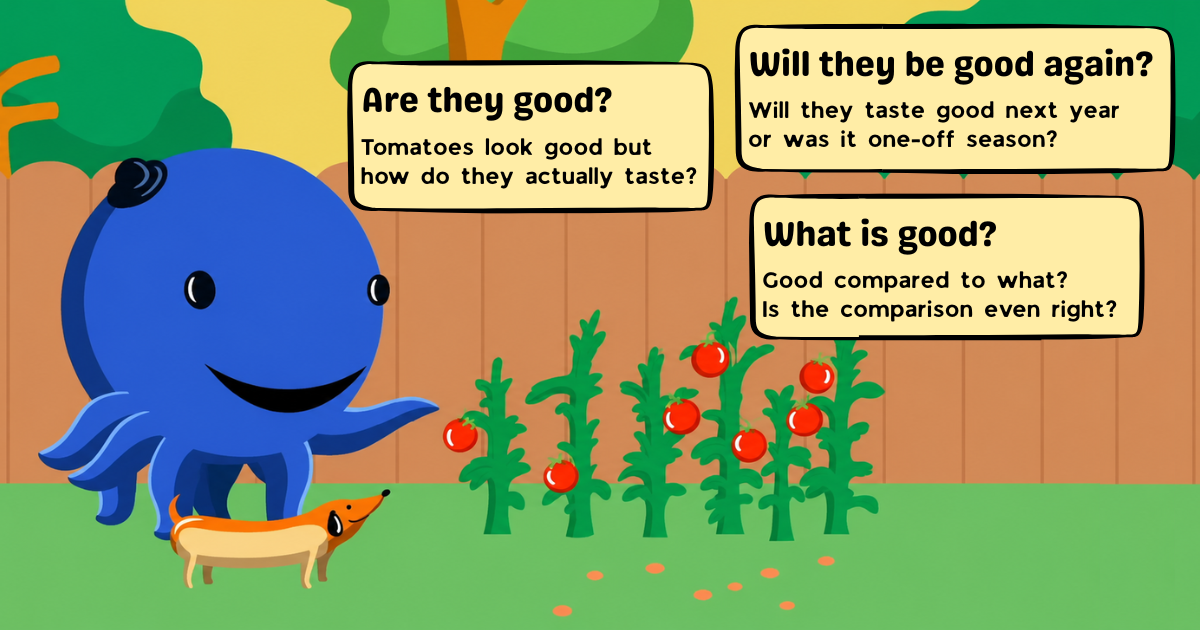
Most evaluations today reduce complex outcomes to a single scalar score or leaderboard number. This compression makes it impossible to distinguish between a genuine, reliable improvement and a fragile result that looks good only on the measured metric.

Nagaraju Gangaraju proposes shifting from one-dimensional scalars to a three-dimensional evaluation space called Vec3(T, R, V), where:

Jul 9, 2026ยทpsychologytoday.com

AI's "J-Space": A Window into the First Principles of Thought

Anthropic researchers have identified a distinct internal workspace inside Claude โ€” referred to as "J-space" โ€” where thoughts appear to form before any tokens or words are generated. Suppressing this space allows basic recall but severely impairs complex, multi-step reasoning, suggesting it plays a fundamental role in cognition.

John Nosta connects this discovery to global workspace theory from cognitive neuroscience, which proposes a shared, flexible mechanism for chaining reasoning, integrating information, and making results available across different parts of a system. The emergence of a similar structure in a non-biological model raises a profound question: Are there universal first principles of thought that arise whenever sufficient complexity and training dynamics are present?

Jul 7, 2026ยทarxiv.org

ATHENA-R1: An AI Agent That Reasons Over Biomedical Tools

Treatment reasoning in medicine is inherently iterative: it requires identifying missing information, gathering evidence from multiple sources, evaluating contraindications and comorbidities, and revising conclusions as new data emerges. Most current AI systems struggle with this because they lack a structured way to seek and integrate evidence before forming a recommendation.

Researchers introduce ATHENA-R1, an AI agent trained to perform treatment reasoning across all FDA-approved drugs since 1939 by interacting with a universe of 212 real biomedical tools (covering indications, interactions, adverse events, disease phenotypes, and more). The agent learns to identify knowledge gaps, call the appropriate tools, incorporate retrieved evidence, and iterate until it reaches a grounded decision.

Jul 6, 2026ยทforeignaffairs.com

Harvest Now, Decrypt Later: The Quantum National Security Crisis

Quantum computers will soon be able to break the public-key encryption that protects much of the world's digital infrastructure โ€” from financial systems and medical records to state secrets and military communications. A 2048-bit RSA key that would take a classical supercomputer roughly 300 trillion years to crack could be broken by a sufficiently powerful quantum computer in under eight hours.

Anne Neuberger argues that this is not a distant theoretical threat. Adversaries, particularly China and Russia, are already executing a "harvest now, decrypt later" strategy โ€” collecting and storing vast amounts of encrypted data today in anticipation of future quantum decryption capabilities. At the same time, they are advancing quantum sensing and navigation technologies that could enable GPS-denied military operations and detection of stealth assets.

Jul 5, 2026ยทx.com

When AI Masters Graded Problems, Problem Selection Becomes the Edge

AI models are getting extremely good at anything that can be turned into a clear loss function or well-defined, gradable task โ€” schoolwork, LeetCode, standard engineering problems, and most routine coding.

In this environment, the highest-leverage human skills are shifting to the areas that are hardest to grade or automate within a single training loop:

Jul 3, 2026ยทnature.com

COMPASS: A Generalizable AI Model for Immunotherapy Response

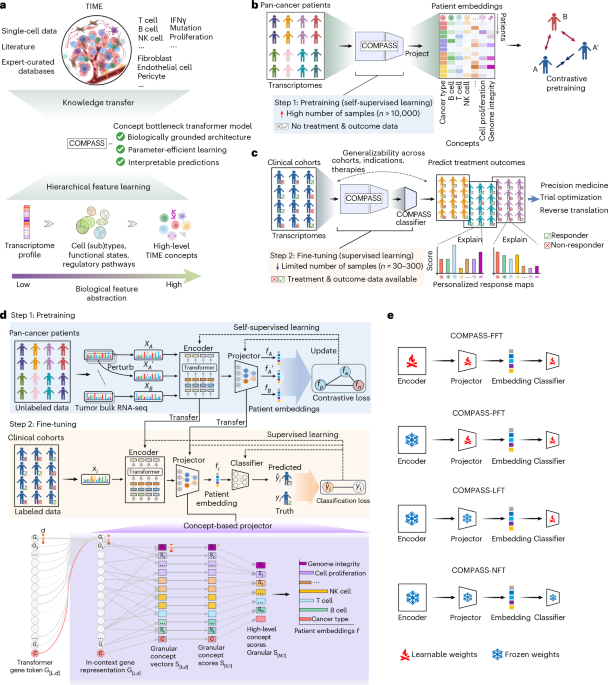
Most patients do not respond to immune checkpoint inhibitors (ICIs), and existing biomarkers often fail to generalize across cancer types and treatments. Researchers developed COMPASS, a pan-cancer foundation model that predicts ICI response directly from bulk tumor transcriptomes using a concept bottleneck transformer.

COMPASS encodes gene expression through 44 biologically grounded immune concepts (cell states, tumor-microenvironment interactions, and signaling pathways). Trained on over 10,000 tumors, it significantly outperforms 22 existing methods across 16 external clinical cohorts spanning multiple cancers and different ICIs. It also generalizes well to previously unseen cancer types and therapies.