
The Knowledge LedgerThe Knowledge LedgerFollow on WhatsApp

A curated stream of high-signal insights across Technology, Healthcare, Lifesciences, AI, Oncology, Business, Entrepreneurship, Leadership, Philosophy and beyond.

Thoughtful, cross-disciplinary content designed to expand how you think, not just what you know.

No noise. Only substance.

Filtered by #risk-managementClear filter
Sep 14, 2026ยทx.com

Intelligence Has a Speed Limit

Recursive self-improvement is usually told as a spell: the model tweaks itself, gets smarter, tweaks itself again. Control theory treats that as a feedback loop with a maximum safe speed, set by how fast you can generate trustworthy evidence that a change was actually an improvement.

A loop stays stable when the product of its gains stays below one. Gain here is how large a modification the system makes per unit of evidence. The entire appeal of self-improvement is high gain. Adaptive control already learned the hard version of this: proofs assumed a plant, a mild violation of the assumptions sent the system haywire. Unstable adaptive systems often do not blow up immediately. They burst: run beautifully, then fail without warning.
Jun 22, 2026ยทtheatlantic.com

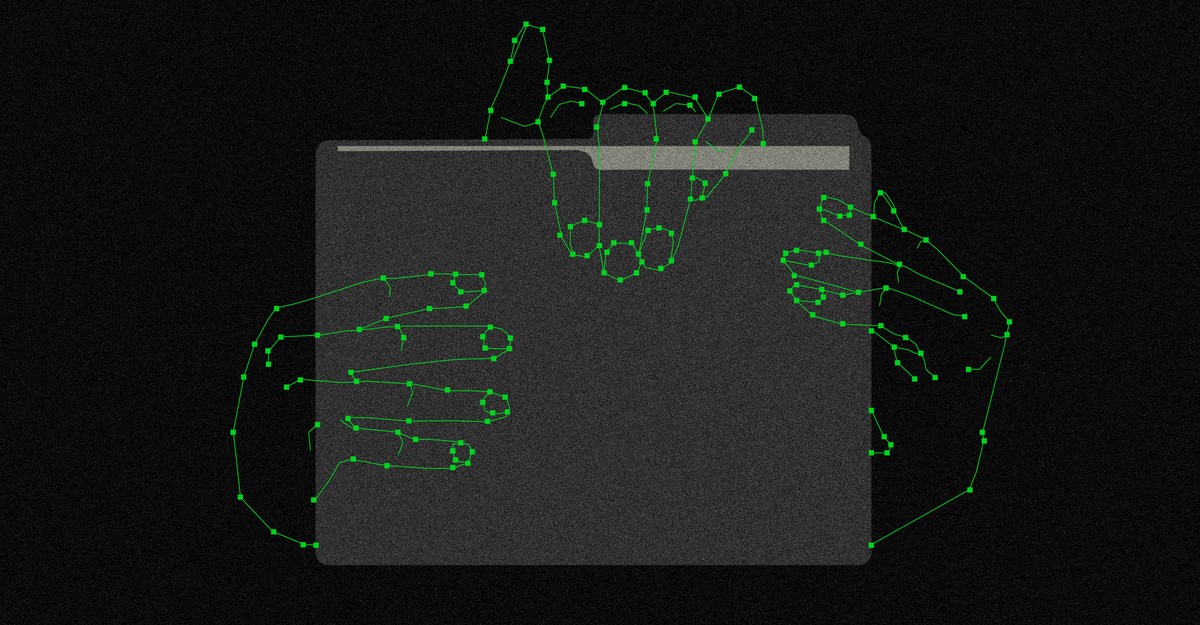
Nothing on the Internet Is Secure Anymore

AI is fundamentally changing the economics and speed of cyberattacks. What was once a slow, resource-intensive cat-and-mouse game between attackers and defenders has become an asymmetric race that defenders are rapidly losing.

Generative AI tools now allow even low-skill actors to write adaptive malware, automate sophisticated phishing and espionage campaigns, and exploit known vulnerabilities in record time. The window between a vulnerability being disclosed and actively exploited has collapsed from hundreds of days to as little as 44 days in some cases. Meanwhile, the foundational insecurity of the internet โ€” built on rushed code, reactive patching, and legacy systems โ€” remains largely unchanged.