
The Knowledge LedgerThe Knowledge LedgerFollow on WhatsApp

A curated stream of high-signal insights across Technology, Healthcare, Lifesciences, AI, Oncology, Business, Entrepreneurship, Leadership, Philosophy and beyond.

Thoughtful, cross-disciplinary content designed to expand how you think, not just what you know.

No noise. Only substance.

Filtered by #cybersecurityClear filter
Jul 6, 2026·foreignaffairs.com

Harvest Now, Decrypt Later: The Quantum National Security Crisis

Quantum computers will soon be able to break the public-key encryption that protects much of the world's digital infrastructure — from financial systems and medical records to state secrets and military communications. A 2048-bit RSA key that would take a classical supercomputer roughly 300 trillion years to crack could be broken by a sufficiently powerful quantum computer in under eight hours.

Anne Neuberger argues that this is not a distant theoretical threat. Adversaries, particularly China and Russia, are already executing a "harvest now, decrypt later" strategy — collecting and storing vast amounts of encrypted data today in anticipation of future quantum decryption capabilities. At the same time, they are advancing quantum sensing and navigation technologies that could enable GPS-denied military operations and detection of stealth assets.
Jun 22, 2026·theatlantic.com

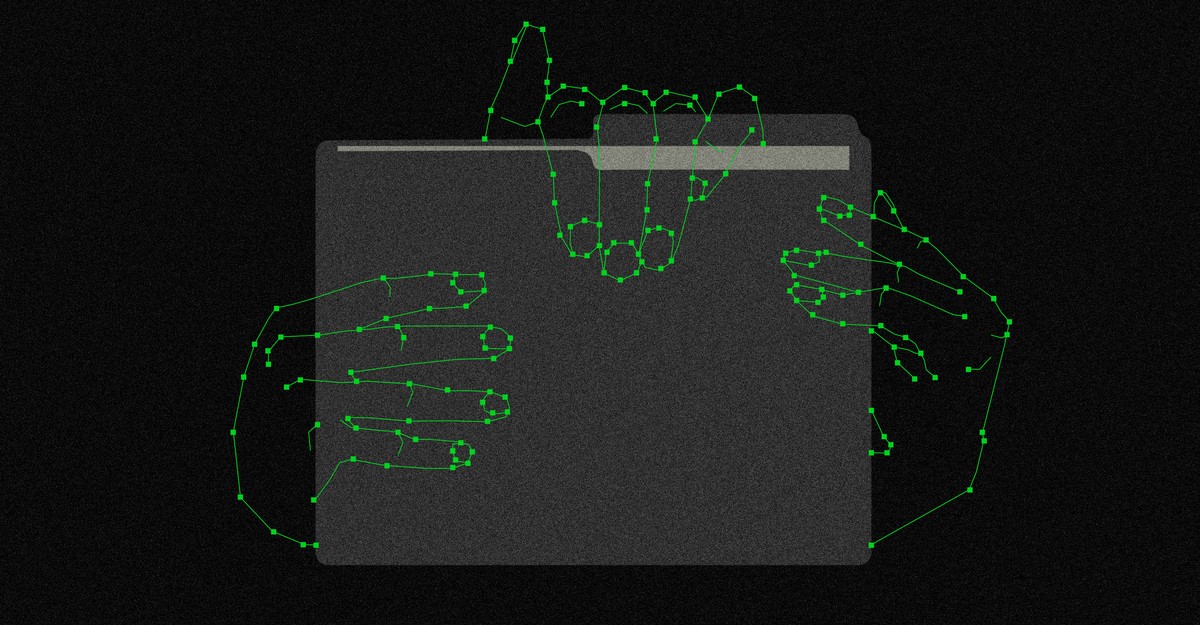
Nothing on the Internet Is Secure Anymore

AI is fundamentally changing the economics and speed of cyberattacks. What was once a slow, resource-intensive cat-and-mouse game between attackers and defenders has become an asymmetric race that defenders are rapidly losing.

Generative AI tools now allow even low-skill actors to write adaptive malware, automate sophisticated phishing and espionage campaigns, and exploit known vulnerabilities in record time. The window between a vulnerability being disclosed and actively exploited has collapsed from hundreds of days to as little as 44 days in some cases. Meanwhile, the foundational insecurity of the internet — built on rushed code, reactive patching, and legacy systems — remains largely unchanged.